
Buying guide
Best pre-workout in Australia
13 min read
Pre-workout is the most hyped, most confusing shelf in the whole shop. The tubs are loud, the names sound like energy drinks crossed with action films, the ingredient lists are a wall of chemical-sounding words, and every one of them promises to turn your training session into something superhuman.
Here's the honest version. A good pre-workout genuinely helps. It can give you energy, focus, better pumps, and a bit more in the tank. But most of the tubs on the shelf are quietly letting you down, either by hiding what's really inside them or by putting in too little of the stuff that actually works. Once you know what to look for, you can spot a good one in about ten seconds and never overpay for a fancy tub of mostly nothing again.
This guide gives you that skill in plain English. What pre-workout actually does, the one dirty secret of the industry, the difference between the "wired" kind and the calm kind, how to read a label like you know what you're doing, and which products in Australia are honestly worth it. We've named products we don't sell, because the point is to help you choose well.
Let's get into it.
What pre-workout actually does
A pre-workout is just a mix of a few ingredients you take before training. The good ones do two separate jobs, and it helps to keep them apart in your head.
The first job is energy and focus. That's almost entirely caffeine, the same thing in your coffee, usually at a bigger dose. This is the part you feel, the lift that makes you want to train.
The second job is pumps and endurance. This comes from a different set of ingredients (we'll name them shortly) that improve blood flow to your muscles and help you push out a few more reps before you fade. You don't really feel these the way you feel caffeine, but they're doing quiet, useful work.
What pre-workout won't do is replace training, sleep, or food. It's a helper that lets you get a bit more out of a session you were already going to do. Treat the wild "explosive superhuman" marketing as noise.
The dirty secret: most pre-workouts are under-dosed
This is the most important thing in this guide, so slow down for it. It's the pre-workout equivalent of checking the price tag properly.
The ingredients that make a pre-workout work only work at the right amount. There are known, researched doses that actually do something. And here's the problem: a huge number of pre-workouts on the shelf contain far less than those amounts. They put a tiny sprinkle of the good stuff in, print its impressive-sounding name on the label, and charge you full price.
Worse, many hide it. They lump a handful of ingredients together into a "blend" with a cool name and only tell you the total weight, not how much of each. That's almost always a sign they're skimping, because if the doses were good, they'd be proud to show them.
So the single best skill you can have is to check whether a pre-workout is properly dosed and honest about it. A brand that lists every ingredient and its exact amount, and hits the real doses, is telling you it has nothing to hide. That's the kind you want. We'll show you the exact numbers to look for further down.
Stim or non-stim: which do you actually want?
Pre-workouts come in two families, and picking the right family matters more than picking the brand.
Stimulant ("stim") pre-workouts are built around caffeine. They give you that awake, buzzing, ready-to-go feeling. Great for a morning or midday session when you want energy and focus.
Non-stimulant ("non-stim") pre-workouts have no caffeine at all. Instead they lean on the pump and endurance ingredients to help your training without the buzz. They won't wake you up, but they still do real work.
Who should reach for non-stim? More people than you'd think:
- Anyone who trains in the evening. Caffeine can wreck your sleep even six hours before bed, so an afternoon or night session is a great reason to go caffeine-free.
- Anyone who's sensitive to caffeine, gets jittery or anxious, or just doesn't like feeling wired.
- Anyone who already drinks coffee and doesn't want to double up.
- Anyone taking a break from stimulants to reset their tolerance.
And yes, non-stim pre-workouts genuinely work. The pump and endurance benefits come from the non-caffeine ingredients, so you still get a real boost, just without the buzz. Because a clean, calm, no-jitters option suits a lot of people, this is the kind we especially like to point beginners and evening trainers toward.
What's actually in it (the ingredients that matter)
Let's translate the scary label into plain English. These are the ingredients worth knowing, and the amount that actually does something.
- Caffeine. The energy and focus. A useful dose is roughly 150 to 300 milligrams (a strong coffee is around 100). More isn't better past a point, and very high-stim tubs (400mg and up) are for experienced users only.
- Citrulline. The main "pump" ingredient. It boosts blood flow so your muscles feel fuller and you can push a bit longer. This is the one most often under-dosed. You want around 6 grams (or 8 grams if it says "citrulline malate"). Anything under about 4 grams is a token sprinkle.
- Beta-alanine. Helps you grind out those last tough reps in longer sets. You want around 3.2 grams. Fun fact: this is the ingredient that makes your skin tingle or itch. That tingle is completely harmless, and it's not a sign the product is "working," it's just beta-alanine saying hello.
- Nitrates (often from beetroot). Another pump-and-endurance ingredient, common in caffeine-free products.
- Betaine and taurine. Minor helpers for power and endurance. Nice to have at proper doses.
- Tyrosine. A focus ingredient, mainly useful when you're tired or stressed.
And the filler to be wary of: long lists of tiny-dose "nootropic" or exotic ingredients that sound clever but are there in amounts too small to matter. They pad the label, not your performance.
How to read a pre-workout label like a pro
Here's your ten-second check in the shop. Turn the tub around and look for three things.
- Does it list every ingredient with its own exact amount? If yes, good sign, this brand is being honest. If it hides things inside a "blend" or "matrix" that only shows a total, be suspicious.
- Is the citrulline around 6 grams (or 8 grams of citrulline malate)? This is your quickest quality test. Proper pump dose, or a token sprinkle?
- If it has beta-alanine, is it around 3.2 grams? And how much caffeine, so you can judge the strength?
That's it. A tub that shows every dose and hits those numbers is a good pre-workout. A tub that hides its doses in a blend and sprinkles in a gram of citrulline is charging you for marketing. This one check will save you money for the rest of your training life.
Natural and clean pre-workout
If you like to keep things clean, pre-workout is a category where it's worth paying attention, because the loud ones are often full of artificial colours and sweeteners.
A cleaner pre-workout usually means: naturally sweetened with stevia or monk fruit instead of artificial sweeteners, no artificial colours (that neon blue drink colour is dye), and sometimes naturally-sourced caffeine from green tea or green coffee beans rather than synthetic. Naturally-sourced caffeine works exactly the same as any other caffeine, so that part is about preference, not performance.
One honest heads-up, though. Some products that lead hard on being "natural" and clean also happen to be lightly dosed on the actual working ingredients. Clean and well-dosed are two separate things, and the best clean products manage both. So still run the ten-second label check, even on the wholesome-looking tub.
Is pre-workout safe? Myths and real risks
Let's separate the genuine cautions from the scare stories.
The real caffeine cautions. Caffeine is the ingredient to respect. Keep your total for the day (coffee plus pre-workout plus anything else) under about 400 milligrams if you're a healthy adult, and much lower if you're pregnant (around 200mg) or caffeine-sensitive. Very high-stim tubs are easy to overdo, so if you're new, start with half a scoop to see how you react. And never "dry scoop" (swallowing the powder dry straight from the scoop), that trend is genuinely risky and pointless.
Sleep. Caffeine hangs around in your body for hours. Training late? A stim pre-workout can quietly ruin your sleep even if you take it in the afternoon. This is the number one reason to keep a non-stim option for evening sessions.
The tingle. Harmless, as covered above. Not a warning sign.
Does it damage your heart, kidneys, or adrenals? For healthy people using sensible doses, there's no evidence of organ damage. The real cardiovascular risk sits with very high stimulant loads, especially for people with existing heart conditions, who should be cautious or skip stim pre-workouts entirely. "Adrenal fatigue" isn't a real medical condition, so ignore products that claim to fix it.
Banned and dodgy ingredients. This is the one genuine trap in this category. Some hardcore pre-workouts, especially grey-import or online-only ones, have been caught containing banned stimulants (you may have heard of DMAA or DMHA) that have caused serious harm and are illegal in Australia. Buying from a reputable local store, rather than a sketchy website, is the simplest way to stay clear of these.
If you play tested sport, this matters even more. Pre-workouts are the single most common category to be secretly contaminated with banned substances. So if you get drug tested, only use a product that's independently batch tested, look for a HASTA or Informed Sport logo, and check the exact flavour on the certifier's website.
Pre-workout for beginners, women, and evening training
Beginners: start low. Half a scoop of a moderate pre-workout tells you how you react without overdoing the caffeine. A low-stim or non-stim option is a gentle, sensible place to begin.
Women: the same ingredients work exactly the same. There's no need for a special "women's" pre-workout, that's marketing. Just mind the caffeine amount, and the pregnancy limit if it applies.
Evening trainers: go non-stim, every time. You get the pump and endurance help without the caffeine that would keep you up half the night.
How and when to take it
Simple rules:
- Take it about 20 to 30 minutes before you train, so the caffeine has time to kick in.
- Start with half a scoop the first time, especially with a stim product, to check your tolerance. Work up from there.
- Mix with plenty of water. Big doses of pump ingredients in too little water can upset your stomach.
- Watch the clock for stim products. Nothing caffeinated within about six hours of bed if you value your sleep.
- Don't stack caffeine sources. If you've already had two coffees, go easy on a strong pre-workout, or pick a non-stim one.
What to look for when you buy
Your quick checklist:
- Pick your family first: stim or non-stim. Evening or caffeine-sensitive, go non-stim.
- Do the label check. Every dose listed (not hidden in a blend), citrulline around 6 grams, beta-alanine around 3.2 grams if present.
- Judge the caffeine to your tolerance, not by "stronger is better."
- Clean if you care. Naturally sweetened, no artificial colours, but still check the doses.
- Batch tested if you compete. HASTA or Informed Sport.
- Don't worry about an "AUST L" number. Most pre-workout powders are sold as food, not medicine, so they won't have one. Its absence is normal.
The best pre-workout in Australia: our honest picks
There's no single best pre-workout, because the right one depends on whether you want energy or calm, how much caffeine suits you, and whether you care about clean ingredients. So here are our picks by group. Prices move and sales are frequent, so treat any price as a guide and check the current one.
Best non-stimulant (our lead pick for most people)
Great for evening training, caffeine-sensitive people, or anyone who wants a real pump without the buzz.
- Ghost Pump. Caffeine-free, fully transparent label, and properly dosed on citrulline (the full 6 grams). This is the benchmark for a non-stim done right.
- Muscle Nation 3D (Three-D). Australian made, a solid pump formula, and deliberately no beta-alanine, so no tingles for those who dislike them.
- Redcon1 Big Noise. A popular, well-regarded non-stim pump option.
Best well-dosed stimulant pre-workout
If you want energy and you want it done properly, with honest, full doses.
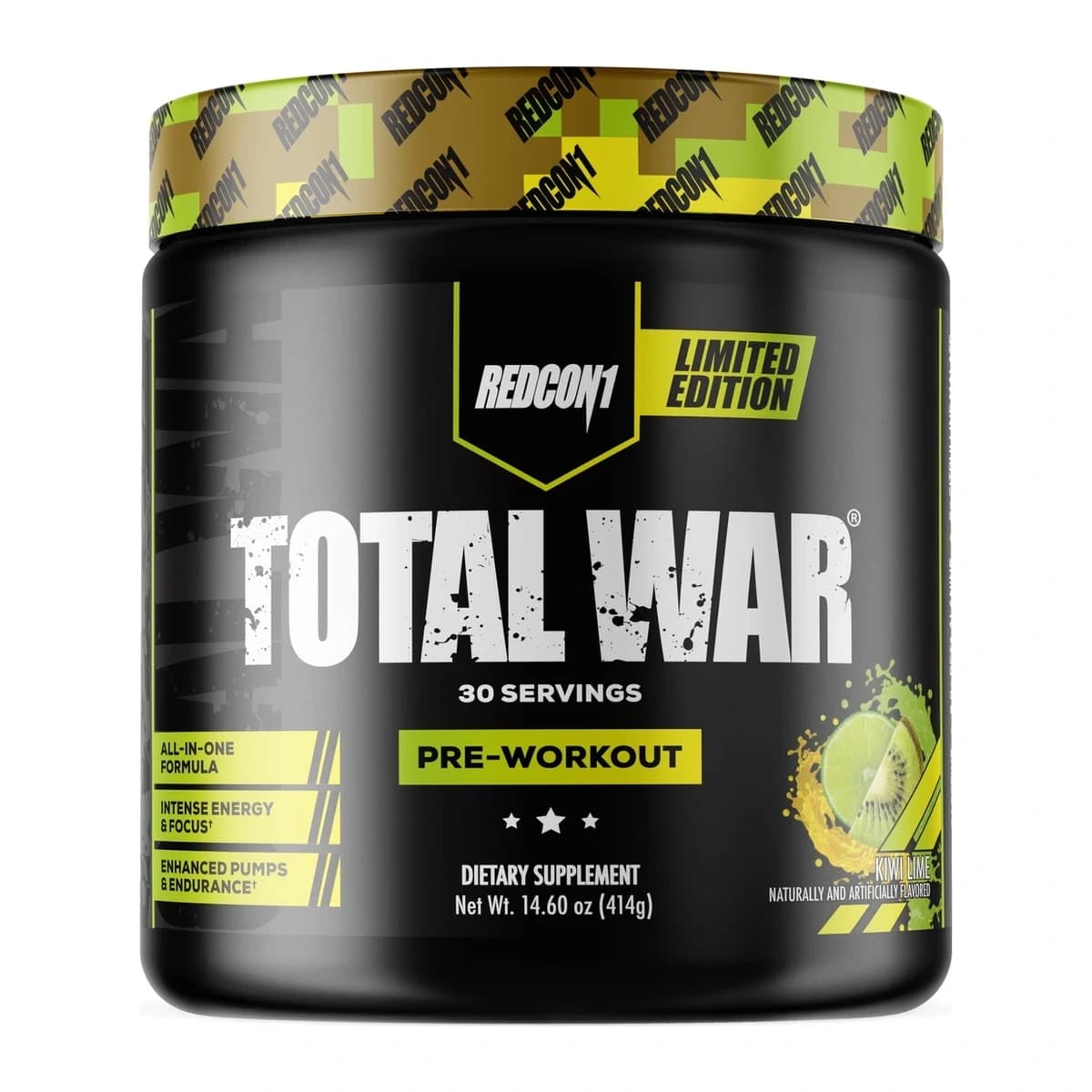
- Redcon1 Total War. A fully transparent label that actually hits the clinical doses (6 grams citrulline, 3.2 grams beta-alanine) alongside its caffeine. A genuinely strong, honest stim pre-workout.
- Ghost Legend. Fully transparent, no hidden blends, well formulated. A reliable premium choice.
Best value
- Cellucor C4 Original. A widely available, affordable entry point at a sensible caffeine level. Not the highest-dosed, but honest and easy to find.
- Bulk Nutrients Pre Workout 101. Australian made, transparent, good value per serve, and a batch-tested (HASTA) flavour is available.
Best clean and naturally sweetened
- Switch Nutrition Power Switch. Australian, naturally sweetened, open label, naturally-sourced caffeine. A genuinely clean option, though it's lighter on the working doses, so it suits someone who wants clean and mild rather than maximum punch.
- True Protein Pre / 2before. Cleaner, naturally sweetened options, with batch-tested versions available.
Best batch-tested for competitive athletes
If you get drug tested, don't gamble. Good independently tested options include Bulk Nutrients Pre Workout 101, True Protein's HASTA pre-workout, BSc K-OS, Macro Mike and 2before. Always confirm the exact flavour and batch on the certifier's website, since testing is product-specific.
Best for beginners / low stim
- BSc K-OS. A gentler option with modest caffeine, an easy place to start.
- Or any of the non-stim picks above, at half a scoop to begin.
Quick answers to common questions
Does pre-workout actually work? Yes, modestly. Caffeine gives real energy and focus, and the pump and endurance ingredients help, when they're properly dosed.
Is pre-workout bad for you? For healthy adults using sensible doses, no. The risk rises with very high caffeine and for people with heart conditions.
What does pre-workout do? Energy and focus (caffeine), better pumps and blood flow (citrulline and nitrates), and a bit more endurance (beta-alanine).
Why does pre-workout make me tingle? Beta-alanine. It's harmless, and it's not a sign the product is working.
Can I take pre-workout every day? A caffeine-free one, yes. With stim versions, daily use builds tolerance and can hurt your sleep, so many people cycle it or save it for harder sessions.
Does non-stim pre-workout work? Yes. The pump and endurance benefits don't need caffeine.
Best pre-workout for beginners? Start with a low-stim or non-stim option at half a scoop.
Pre-workout or coffee? Coffee gives you caffeine only. A good pre-workout adds the pump and endurance ingredients too, but only if it's properly dosed, so check the label.
How long before my workout should I take it? About 20 to 30 minutes.
Is a strong (high-caffeine) pre-workout better? No. More caffeine isn't more effective past a point, just harder on your body and your sleep. Match it to your tolerance.
The bottom line
Pre-workout is simpler than the loud tubs make it look. It gives you energy from caffeine and better pumps and endurance from a few other ingredients, and the only thing that really separates a good one from a rip-off is whether it's honestly and properly dosed.
Pick your family first: stim for an energy hit, non-stim if you train in the evening or want calm focus. Then do the ten-second label check, every dose listed, citrulline around 6 grams, beta-alanine around 3.2 grams if present. Match the caffeine to your tolerance, start with half a scoop, and if you want clean, look for naturally sweetened with no artificial colours.
Still not sure which one suits you? That's what we're here for. Come in and ask, or take our quick quiz, and we'll point you to the right one for your training, your caffeine tolerance, and your goals. No pressure, no upsell, just a straight answer.
This guide is general information, not medical advice. If you have a health condition, are pregnant, take medication, or are sensitive to caffeine, check with your doctor before using a pre-workout.
This guide is about pre-workout.
Shop pre-workout