
Buying guide
Best protein powder in Australia
11 min read
Protein powder is the one supplement almost everyone can actually use. Not because you need a tub to be healthy, you don't, but because hitting enough protein each day is genuinely hard with food alone, and a scoop in a shake makes it easy. That's the whole job. It's food in a convenient form.
So why is buying it such a headache? Because the shelf is a wall of near-identical tubs, the labels are full of words like isolate, concentrate, hydrolysed and grass-fed, the prices swing wildly for what looks like the same thing, and half the "best protein" lists online are written by shops ranking their own brand at number one.
This guide cuts through all of it in plain English. What protein powder is really for, how much you actually need, the one trick for spotting good value that almost nobody tells you, the difference between the types, and which products in Australia are honestly worth buying. We've named products we don't sell, because the point is to help you choose well.
Let's get into it.
What protein powder is actually for
Your body uses protein to repair and build muscle, recover from training, and keep you full. If you're active, especially if you're lifting or trying to change your body, you need more of it than most people eat by default.
You can absolutely get all your protein from food: meat, fish, eggs, dairy, legumes. Powder isn't magic and it's not better than food. It's just easier and quicker, especially around training or on busy days when cooking another protein-heavy meal isn't happening. Think of it as a shortcut to a target, not a special substance.
So the honest first thing to say is this: you don't strictly need protein powder. But if you struggle to eat enough protein, it's the simplest, cheapest fix going.
How much protein do you actually need?
This is the part that matters most, and it's the part the tubs never explain, because it's not about which powder you buy.
A good target if you're training and want to build or keep muscle is around 1.6 grams of protein per kilo of your body weight per day. So someone around 70 kilos is aiming for roughly 110 to 120 grams a day, from all sources, food and shakes combined. If you're eating in a calorie deficit to lose fat, a bit more helps you hold onto muscle.
Here's the key point: the total you eat across the whole day matters far more than which brand of powder you use, or when you take it. Get the daily total right with decent-quality protein and you've done the important 90 percent. Everything else on this page is fine-tuning.
The one trick for spotting good value: cost per gram of protein
This is the single most useful thing in this guide, so slow down for it.
Most people compare protein powders by the price on the tub. That's the wrong number. A cheap tub can be poor value and an expensive one can be great value, because the thing you're actually paying for is protein, and different powders pack very different amounts of it into each scoop.
So the number that matters is cost per gram of protein. Here's how to work it out, and it takes ten seconds:
Take the price of the tub, and divide it by the total grams of protein in the whole tub. To get the total protein, multiply the protein per serve by the number of serves. That gives you what you're really paying per gram of protein, and now you can compare any two products fairly, no matter their size or price.
A quick example to show why it matters. A budget tub might look cheap on the shelf but only deliver a small amount of protein per scoop, while a pricier tub delivers much more per scoop. Once you do the maths, the "expensive" one can actually be better value. Do this once in the shop and you'll never be fooled by a big number on a small tub again.
If you only take one thing from this guide, take this.
WPI vs WPC: what's the difference, and which should you buy?
These two letters cause more confusion than anything else on the shelf, so let's make them simple. Both are whey, the protein from milk. The difference is how much they've been filtered.
- WPC (whey protein concentrate) is whey filtered to around 70 to 80 percent protein. It still has a little more of the natural fat and lactose (milk sugar) in it. It's complete, high quality, mixes well, tastes good, and it's cheaper.
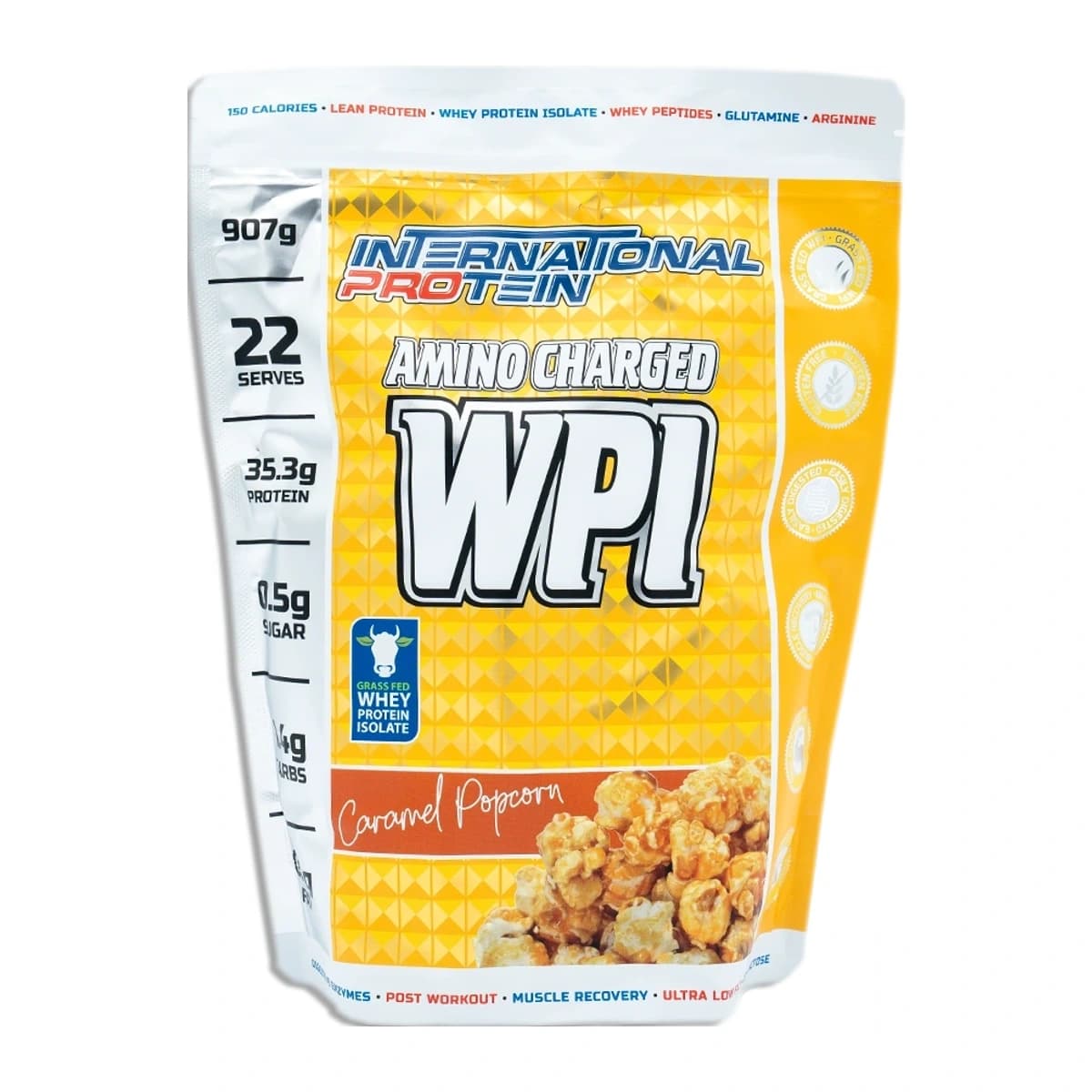
- WPI (whey protein isolate) is filtered further, to around 90 percent protein or more, with most of the fat and lactose stripped out. It's leaner and lower in lactose, and it costs more.
Now the honest bit, because the shelf oversells this. For most people, WPC is the sensible, better-value choice. The protein you get per scoop is often nearly the same. WPI is genuinely worth the extra money in two cases: if lactose upsets your stomach (the isolate is much lower in it), or if you're on a tight, lean diet counting every gram of fat and carbs. Outside those two reasons, you're usually paying more for a small difference.
So: dairy sits fine with you and you want value, go WPC. Lactose bothers you or you want the leanest option, go WPI. Both build muscle exactly the same when your daily protein is the same.
What about plant protein?
If you're vegan, dairy-free, or just prefer plants, plant protein works. There's one thing to know so you buy a good one.
Single-source plant proteins (pea on its own, or rice on its own) are each missing a bit of the full set of building blocks your body wants. The fix is simple: buy a blend, usually pea and rice, or pea and faba bean, which together give you the complete set. Most good plant powders on the Australian market are already blended for exactly this reason.
Plant protein used to have a reputation for tasting chalky, but the better modern ones are genuinely nice. You may need a slightly larger scoop than with whey to match the protein, and that's normal. It's not a lesser choice, it's just a different one, and for a lot of people it also sits more easily on the stomach.
Clean and natural protein: what it means and what to watch
This matters if you care about what's actually in your tub, and it's where a lot of shelf marketing gets slippery, so here's the straight version.
Most mainstream protein powders are sweetened with artificial sweeteners like sucralose. Are those dangerous? The honest answer is that the food regulators consider them safe at normal amounts, and the scare stories are mostly overblown. But some people simply prefer to avoid them, or dislike the aftertaste, and that's a perfectly good reason to choose something else.
If you want a cleaner tub, look for:
- Naturally sweetened with stevia or monk fruit instead of artificial sweeteners.
- A short ingredient list you can actually read.
- No unnecessary fillers or gums (though a small amount of these is harmless and just helps texture).
- Grass-fed whey if that matters to you, though be aware this is more a values choice than a proven health upgrade.
One genuinely useful warning to know about, called protein spiking. A few dodgy brands have been caught padding their tubs with cheap added amino acids so the protein number on the label looks higher than the real usable protein. The tell is seeing added single amino acids listed high up in the ingredients. Buying from brands with a clear, honest label is the simplest way to avoid it.
Let's clear up the protein myths
A few fears put people off protein powder, and most of them don't hold up.
Does protein wreck your kidneys? For healthy people, no. This myth comes from advice given to people who already have kidney disease, where protein does need managing. If your kidneys are healthy, a high-protein diet doesn't damage them. If you have a kidney condition, that's a real exception, check with your doctor.
Will it make women bulky? No. This one needs saying plainly because it stops a lot of women using protein who would benefit. Women don't have the hormones to accidentally get big. Protein helps you build and keep the lean, toned muscle most people are actually after, and it helps you feel full, which is useful if you're trying to lose fat.
Do I have to drink it right after training or I've wasted it? No. The old "anabolic window" idea, that you have thirty minutes or the gains vanish, has been shown to be far more relaxed than that. You have hours, and what really counts is your total protein across the day. Drink your shake whenever suits you.
Protein for women and for weight loss
Protein is one of the most useful things you can get right if you're trying to lose fat or reshape your body, whoever you are.
Two reasons. First, it keeps you fuller for longer than carbs or fat, so you naturally find it easier to eat less without feeling starved. Second, when you're losing weight, eating enough protein protects your muscle, so more of what you lose is fat rather than muscle. That's what keeps you looking toned rather than just smaller.
For women specifically, there's no need for a special "women's" protein, that's just marketing and usually a smaller, pricier tub. The same good whey or plant protein works perfectly. You just want enough of it, daily.
What about collagen? (an honest note)
Collagen protein is everywhere right now, so here's the straight talk. Collagen isn't the protein to buy for building muscle. It's missing some of the key building blocks your muscles need, so it doesn't do that job well, no matter what the tub implies.
Where collagen may earn its place is for skin and joints, where there's some promising (though not rock-solid) evidence. So it's fine to take collagen for those reasons if you like. Just don't count it as your muscle-building protein, and don't let it replace a proper whey or plant powder for that job. They're different tools.
How and when to take it
This is refreshingly simple.
- Aim for your daily total. One or two shakes a day is a common way to top up, alongside your normal meals.
- A scoop is usually 25 to 30 grams of protein. Check your tub, since scoops vary.
- Timing barely matters. Whenever fits your day is fine. Around training is popular and convenient, but it's not essential.
- Mix with water or milk. Water is lighter and lower calorie, milk is creamier and adds a bit more protein and calories. Your call.
- More isn't better. Your body can only use so much at once. Spreading protein across the day, rather than one giant shake, is slightly better and easier on digestion.
What to look for when you buy
Your quick checklist for the shelf or the website:
- Work out the cost per gram of protein (price divided by total protein in the tub). This is your real value check.
- Pick your type honestly. WPC for value, WPI if lactose bothers you or you want it leaner, a plant blend if you're dairy-free.
- Check the protein per serve. A good whey gives you 25 grams or so per scoop. Be wary of tubs where the number seems padded by added amino acids.
- Decide if you care about clean. If so, look for naturally sweetened and a short ingredient list.
- Batch testing if you compete. If you're drug tested for sport, look for a HASTA or Informed Sport logo, which means it's been independently checked for banned substances.
- Don't worry about an "AUST L" number. Like most powders, protein is sold as a food, not a medicine, so it won't have one. Its absence is normal, not a warning sign.
The best protein powder in Australia: our honest picks
There's no single best protein for everyone. The right one depends on your budget, your stomach, and whether you care about clean ingredients. So we've grouped our picks so you can find your fit. A quick heads-up on price: whey has been getting more expensive across the board and is likely to keep rising, so treat any price as a guide and check the current one before you buy.
Best value everyday protein
If you want good protein without overpaying, this is your group. These give you the best cost per gram of protein.
- Bulk Nutrients (WPC or WPI). Australian made, straightforward, and excellent value, especially in bigger sizes. A "Natural" unflavoured option is available if you want it clean and unsweetened. A strong default for most people.
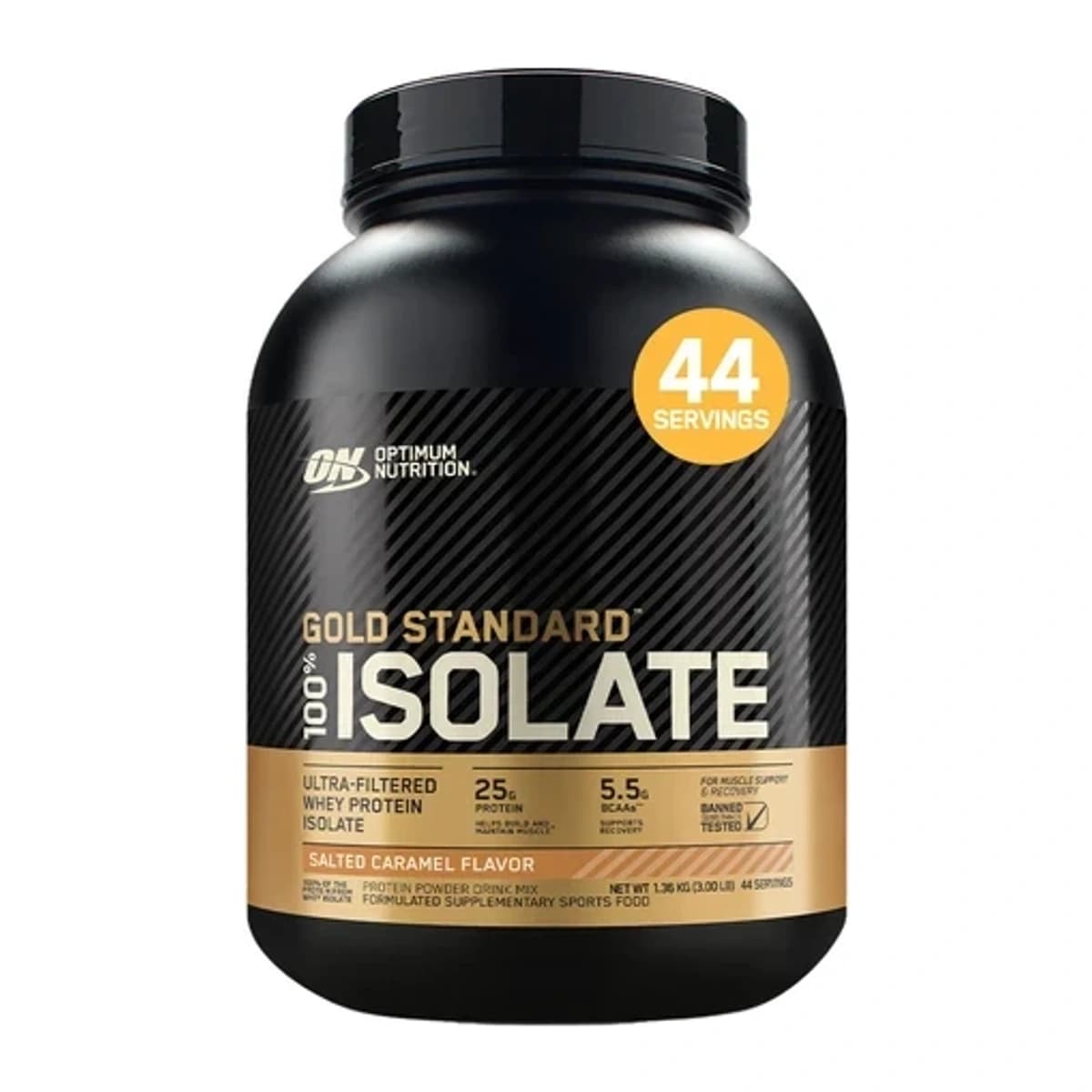
- Optimum Nutrition Gold Standard Whey. A reliable, widely stocked all-rounder, and a nice bonus for peace of mind: it's independently batch tested (Informed Choice).
Best if lactose bothers you, or you want it leaner (isolates)
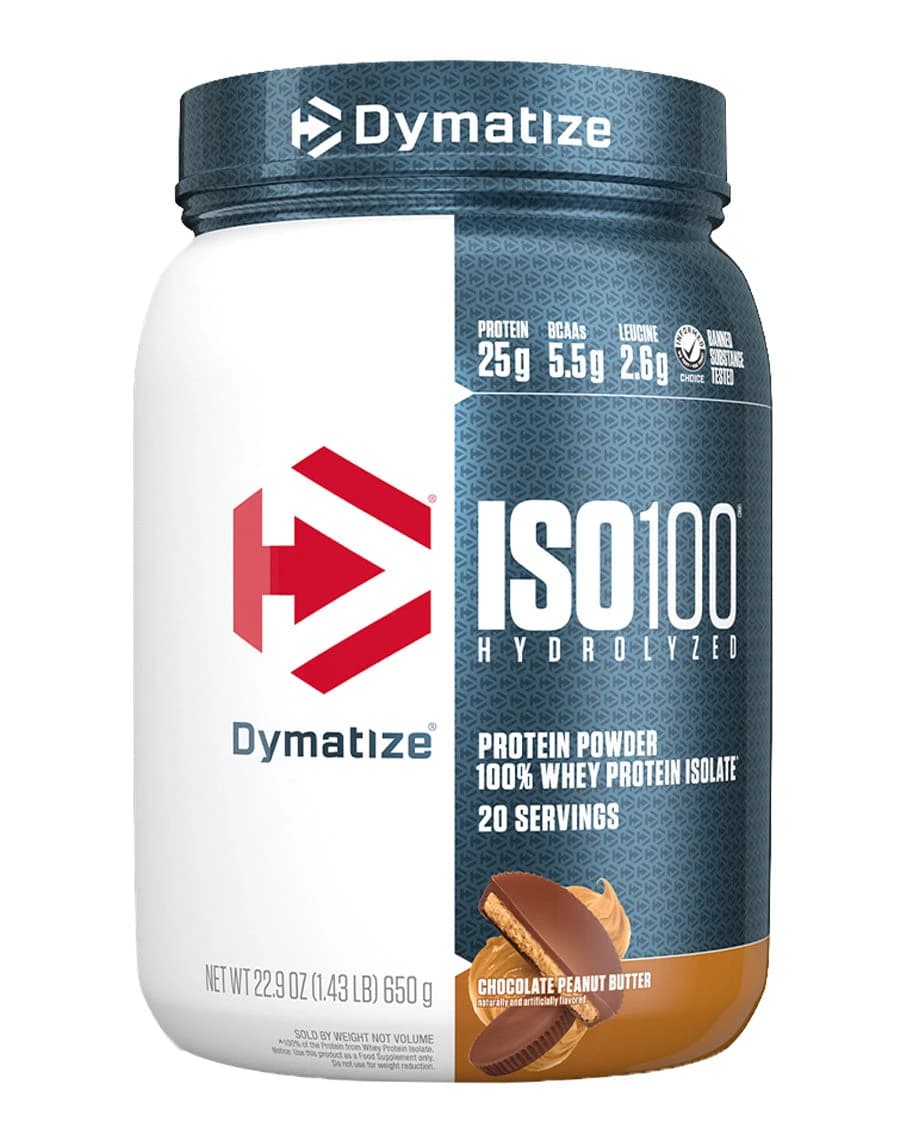
- Dymatize ISO100. A very pure, fast-absorbing isolate that's extremely low in lactose. A great choice for sensitive stomachs or lean diets.
- Rule 1 or Muscle Nation isolates. Solid, high-protein isolate options widely available in Australia.
Best clean and naturally sweetened
If you want no artificial sweeteners and a shorter ingredient list, look here.
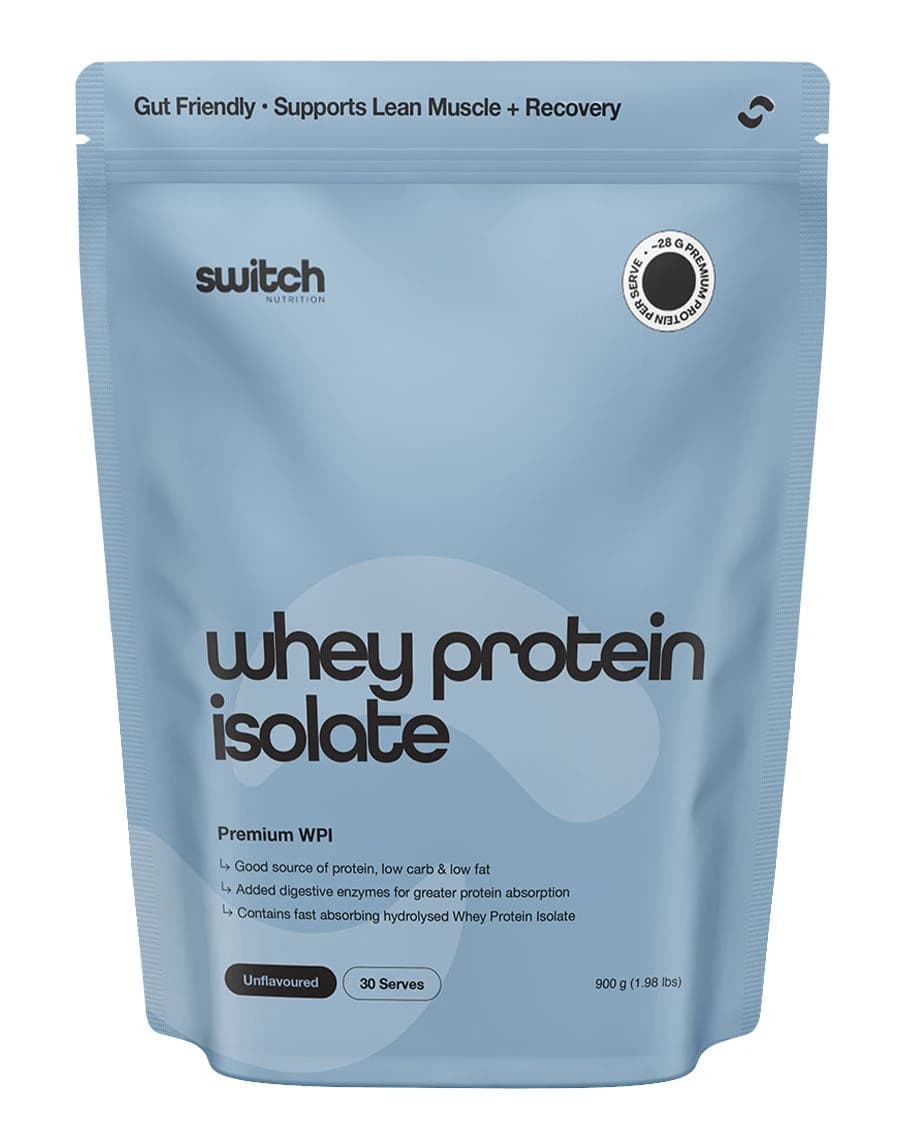
- Switch Nutrition WPI. A clean isolate, naturally sweetened with stevia, low lactose, with added digestive enzymes.
- True Protein WPI90. New Zealand grass-fed whey, naturally sweetened, no artificial sweeteners, and a batch-tested version is available.
Best plant based
- Macro Mike. An Australian-made whole-food plant protein, naturally sweetened, complete, and independently batch tested (HASTA). Genuinely nice tasting for a plant powder.
- Nuzest Clean Lean Protein. A clean, simple pea protein with no gums or fillers, easy on the stomach.
Best batch-tested for competitive athletes
If you get drug tested, don't gamble, use a product independently checked for banned substances. Good options include True Protein's HASTA whey, Macro Mike and certain Bulk Nutrients lines (all HASTA certified), and Optimum Nutrition (Informed Choice). Always double-check the exact flavour and batch on the certifier's website, since testing is product-specific.
Quick answers to common questions
How much protein do I need a day? Around 1.6 grams per kilo of body weight if you train, from all food and shakes combined. Studies of people eating fewer calories than they burn tend to use a higher figure.
Is whey protein bad for you? No, for healthy people it's just food-derived protein.
WPI or WPC, which is better? WPC is better value for most people. WPI is worth it if lactose upsets you or you want the leanest option. Once the daily protein amount matches, studies comparing the two report no meaningful difference.
Does protein powder make you gain weight? Not on its own. A protein shake counts like any other food, and your weight comes down to your total calories across the day, not the powder.
Best protein for women? The same good whey or plant protein men use. "Women's" protein is just marketing.
Whey or plant? Whey is slightly higher quality gram for gram, but a good plant blend works well, especially if dairy bothers you.
Do I need to drink it straight after the gym? No. Timing barely matters. Your daily total is what counts.
Is protein powder safe? Yes, for healthy adults at normal amounts. Check with your doctor if you have kidney disease.
Is collagen good for building muscle? No. Collagen is a different kind of protein, with a very different amino acid profile from whey or a plant blend. If it's protein you're adding, one of those is what to buy.
Is a cheap protein powder a bad protein powder? Not necessarily. Work out the cost per gram of protein and judge it on that, not the price on the tub.
The bottom line
Protein powder is simple once you strip away the shelf noise. It's convenient food that helps you hit a daily protein target, and that daily total is what actually matters.
Get enough protein each day, around 1.6 grams per kilo if you train. Choose your type honestly: WPC for value, WPI if lactose bothers you or you want it lean, a plant blend if you're dairy-free. Judge value by cost per gram of protein, not the price on the tub. And if you want a cleaner option, look for naturally sweetened with a short ingredient list.
Still not sure which tub is right for you? That's what we're here for. Come in and ask, or take our quick quiz, and we'll point you to the right one for your goals, your stomach, and your budget. No pressure, no upsell, just a straight answer.
This guide is general information, not medical advice. If you have a health condition, are pregnant, or take medication, check with your doctor before starting any supplement.
This guide is about protein.
Shop protein