
Comparison
WPI vs WPC: which whey should you buy?
7 min read
You've decided on whey protein, good choice, and now you're stuck on the two letters that trip everyone up. WPI or WPC? Isolate or concentrate? The tubs sit right next to each other, one costs noticeably more, and nobody in the shop ever quite explains why.
Here's the whole thing in plain English. What the two actually are, how they really differ, and a simple way to know which one is right for you. No jargon, no upsell, just the straight answer.
The short answer
If you want it in one line: for most people, WPC (concentrate) is the smarter, better-value choice. WPI (isolate) is worth the extra money in two specific cases, if lactose upsets your stomach, or if you're on a strict lean diet counting every gram.
That's genuinely it. If you read nothing else, you already know enough to choose well. But the "why" is worth understanding, because it stops you overpaying and helps you pick the right tub for your situation. So let's break it down.
What's the actual difference?
Both WPI and WPC are whey, the protein that comes from milk. They start as the exact same thing. The only difference is how far they get filtered.
Think of it like filtering coffee or juice. The more you filter, the purer the end product, but the more effort (and cost) goes into it, and the more of the other natural bits get stripped away.
- WPC (whey protein concentrate) is whey filtered to around 70 to 80 percent protein. It keeps a little more of the natural milk fat and lactose (milk sugar). It's the "less processed" of the two.
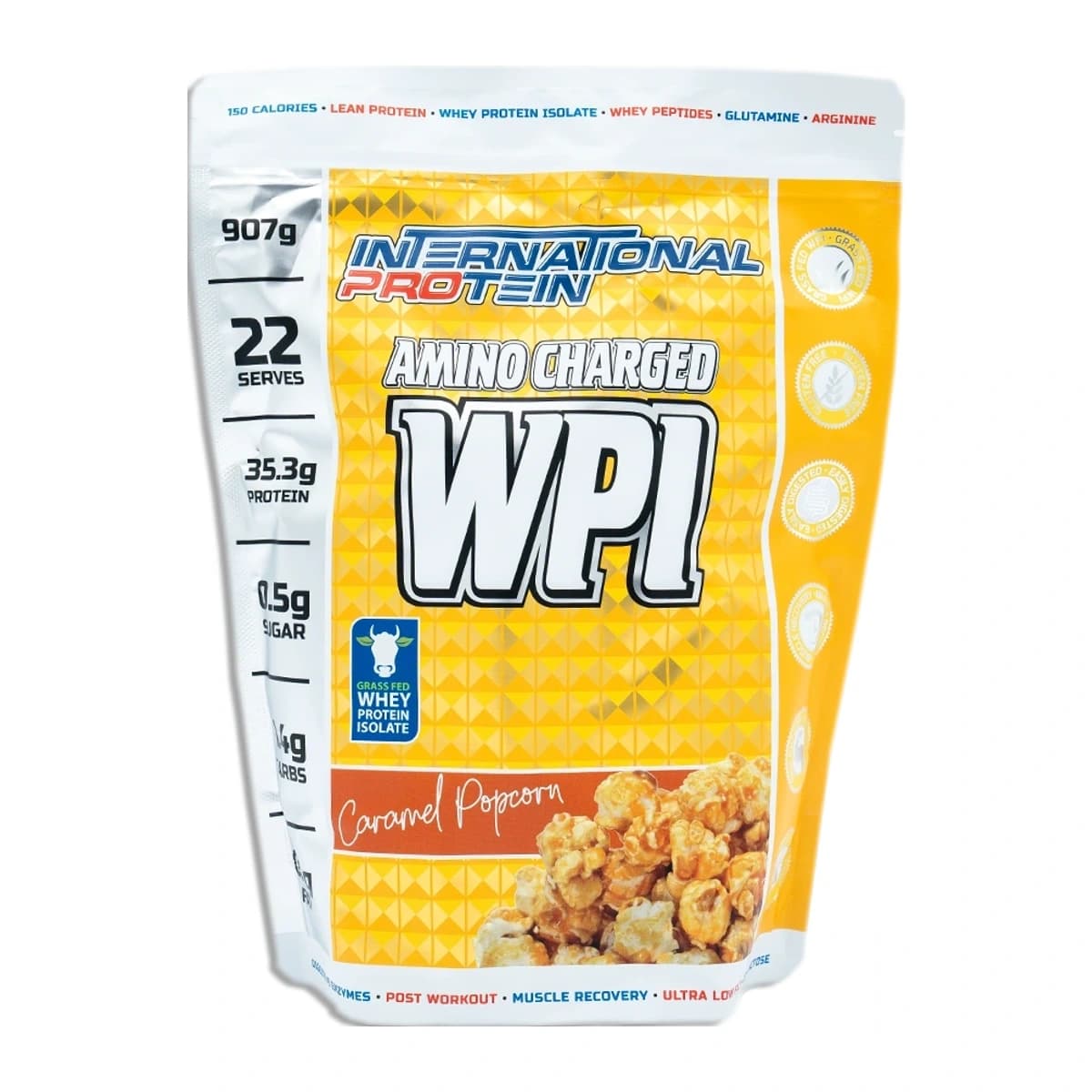
- WPI (whey protein isolate) is filtered further, to around 90 percent protein or more, with almost all the fat and lactose removed. It's the "more filtered, more pure" one.
That's the entire difference. Same protein, different amount of filtering. Everything else follows from that one fact.
WPC (concentrate): the value all-rounder
WPC is what most people should buy, and here's why.
- It's complete, high-quality protein that builds muscle just as well as isolate.
- It mixes well and tastes good, arguably a bit creamier and nicer than isolate, because it keeps a little of the natural fat.
- It's cheaper, often noticeably so.
The only downsides are that it has a bit more fat, carbs, and lactose in it. For most people that's completely fine, and often not even noticeable. Unless you have a specific reason to avoid those (coming up next), WPC gives you excellent protein at the best price.
WPI (isolate): the lean, low-lactose option
WPI is the more filtered, more expensive one. What you're paying for is what's been removed, not more protein.
- It's very low in lactose, which makes it much easier on the stomach if dairy normally bothers you.
- It's very low in fat and carbs, so it suits a strict, lean diet where you're tracking every gram.
- It's a touch lighter and thinner to drink.
What WPI isn't is dramatically higher in protein per scoop (the difference is often small), and it doesn't build more muscle. So you only really want to pay the premium if one of its specific advantages actually applies to you.
Head to head, on what actually matters
| What matters | WPC (concentrate) | WPI (isolate) |
|---|---|---|
| Protein purity | ~70 to 80% | ~90%+ |
| Lactose | A little | Very low |
| Fat and carbs | A little more | Minimal |
| Taste and texture | Creamier, fuller | Lighter, thinner |
| Price | Lower (better value) | Higher (premium) |
| Builds muscle | Yes | Yes, the same |
| Best for | Most people | Lactose-sensitive, strict lean diets |
The row to notice is the last-but-one: both build muscle the same when you take the same amount of protein. That's the myth-buster the shelf won't tell you.
The big myth: is WPI actually better for building muscle?
No. This is the single most common misunderstanding, and it costs people money.
Because WPI is more filtered and more expensive, it feels like the "premium, better" option, so people assume it builds more muscle. It doesn't. When you match the amount of protein, concentrate and isolate produce the same results in the gym. Your muscles can't tell which one you filtered more.
So don't pay the isolate premium hoping for better gains. Pay it only if you want its actual benefits, lower lactose or a leaner macro profile. Otherwise concentrate does the same job for less.
What about hydrolysate (that third whey word)?
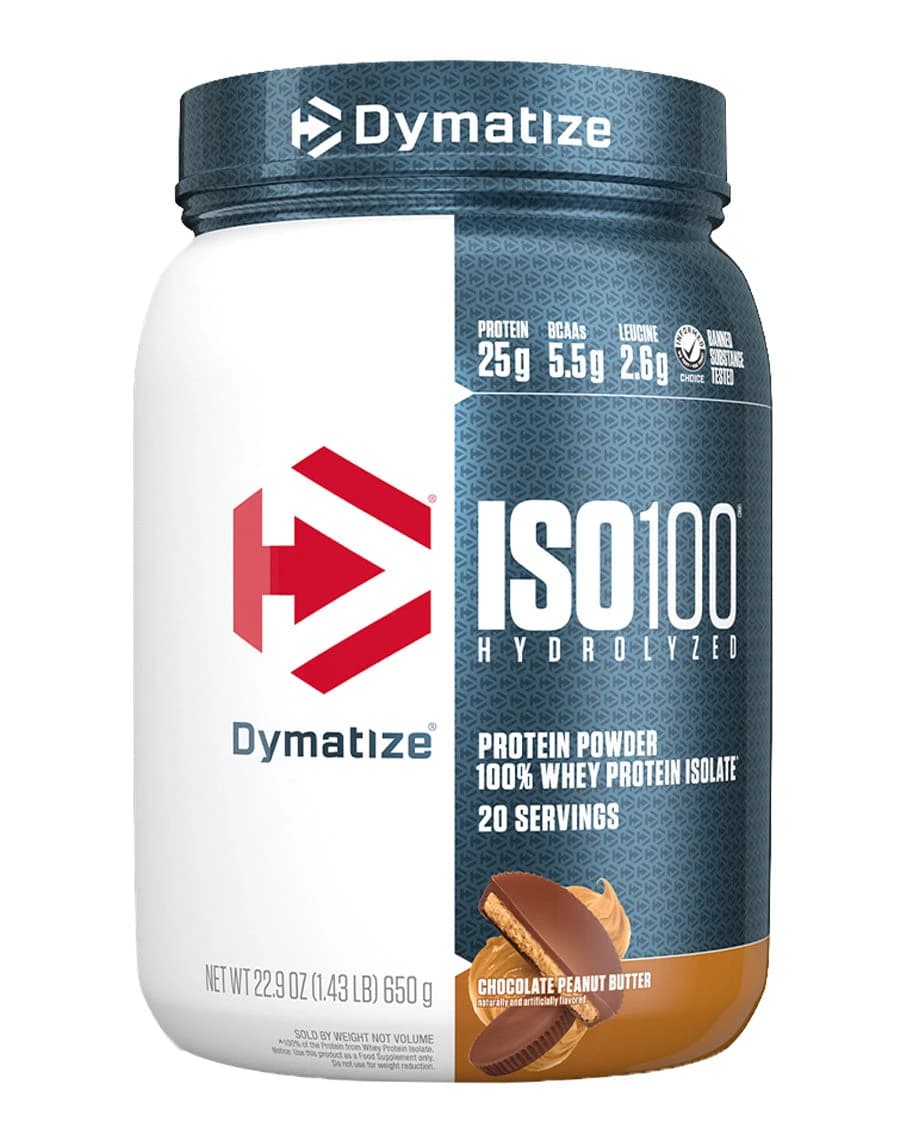
You'll sometimes see a third option: whey protein hydrolysate, or "hydrolysed" whey (a well-known one is Dymatize ISO100). This is whey that has been partly "pre-digested" so it absorbs a little faster and is very low in lactose.
For almost everyone, it's a premium nice-to-have, not a necessity. It sits at the top end on price. It can be a good pick if you have a sensitive stomach and want the gentlest, fastest option, but most people don't need it. Don't feel you're missing out by skipping it.
So, which should you buy?
Here's the simple decision, based on you:
- Dairy sits fine with you and you want value? Buy WPC. This is most people.
- Lactose gives you bloating or an upset stomach? Buy WPI (or hydrolysed whey). The low lactose is the whole point, and it'll make your shakes much more comfortable.
- On a strict cut, counting every gram of fat and carbs? Buy WPI, for the leaner macros.
- On a budget and just want good protein? Buy WPC, every time.
- Chasing the biggest muscle gains? Either. Just hit your daily protein. Save your money and buy WPC.
A quick word on value
Whichever type you choose, don't judge it by the price on the tub. Judge it by cost per gram of protein: take the price, and divide by the total protein in the whole tub (protein per serve, times the number of serves). That tells you what you're really paying for the thing that matters.
This is why a cheaper WPC can be far better value than a pricier WPI, and it's worth a ten-second check before you buy. One heads-up on timing: whey prices have been rising and are likely to keep climbing, so shop the value, and check current prices rather than assuming.
Our picks
Prices move and sales are frequent, so treat these as a guide and check the current price.
Best value WPC (concentrate)
- Bulk Nutrients WPC. Australian made, straightforward, and excellent value, especially in larger sizes. A "Natural" unflavoured version is available if you want it clean and unsweetened. A great default for most people.
- True Protein WPC80. New Zealand whey, naturally sweetened options, a clean, quality concentrate.
Best WPI (isolate)
- Dymatize ISO100. A very pure, fast-absorbing hydrolysed isolate that's extremely low in lactose. One of the best choices if you have a sensitive stomach or a strict lean diet.
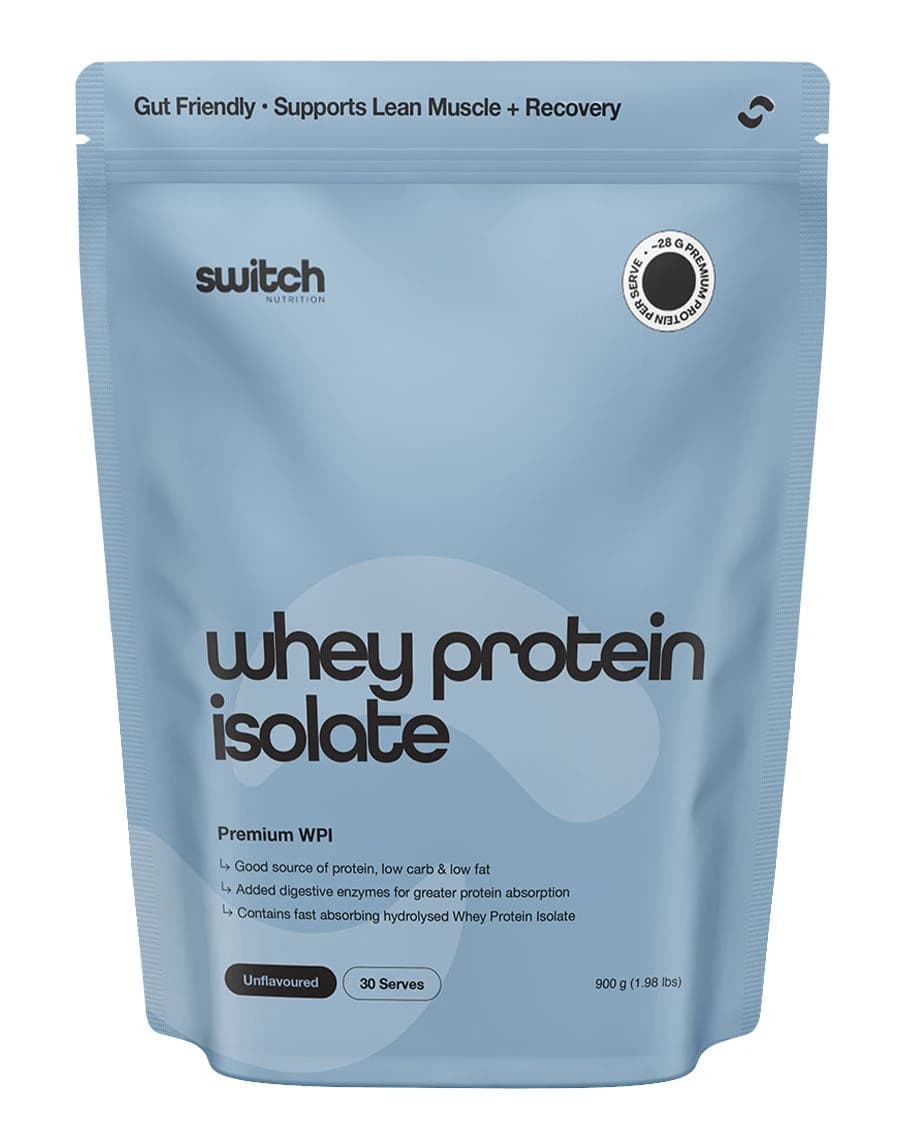
- Switch Nutrition WPI or True Protein WPI90. Clean isolates, naturally sweetened, low lactose, with batch-tested versions available for anyone who competes.
A reliable all-rounder
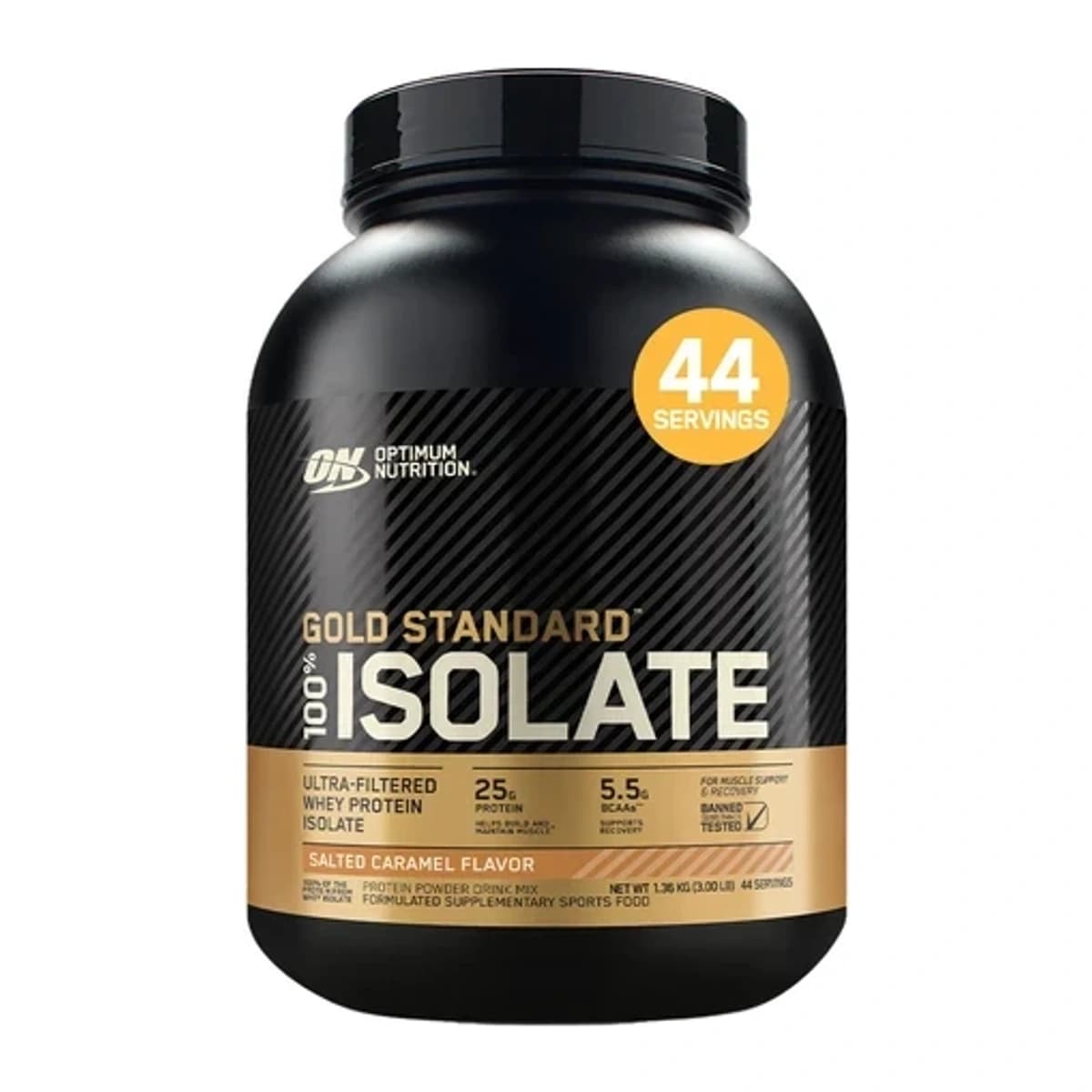
- Optimum Nutrition Gold Standard Whey. Technically a blend that leans on isolate, widely stocked, dependable, and independently batch tested (Informed Choice). A safe, easy pick if you just want something solid.
Quick answers to common questions
WPI or WPC, which is better? Neither is universally better. WPC is better value for most people. WPI is worth it if lactose bothers you or you want a leaner macro profile.
Does WPI build more muscle than WPC? No. Studies that match the protein amount report no meaningful difference between them.
Is WPI worth the extra money? Only if you're lactose-sensitive or on a strict lean diet. Otherwise WPC is the better buy.
Which is better for lactose intolerance? WPI (or hydrolysed whey). It has almost all the lactose removed.
Which tastes better? WPC is usually a touch creamier and fuller, because it keeps a little natural fat. WPI is lighter and thinner. Both come in good flavours.
Which is better for weight loss? Neither is a weight-loss product. WPI has slightly fewer carbs and less fat per serve, but that won't decide your weight either way. Your total calories do.
What's hydrolysed whey (WPH)? Whey that's pre-digested to absorb faster and is very low in lactose. A premium option, gentle on the stomach, but most people don't need it.
Should a beginner get WPI or WPC? WPC. It's cheaper, tastes good, and does the same job. Only move to WPI if you find dairy upsets your stomach.
The bottom line
WPI and WPC are the same whey, filtered to different degrees. WPI is more filtered, lower in lactose and fat, and pricier. WPC keeps a little more of the natural milk, tastes a touch creamier, and costs less. Both build muscle exactly the same when your protein is the same.
So for most people, WPC is the smart, better-value pick. Choose WPI if lactose upsets you or you're on a strict lean diet. Judge value by cost per gram of protein, not the price on the tub, and you'll never overpay again.
Still not sure which suits you and your stomach? That's what we're here for. Come in and ask, or take our quick quiz, and we'll point you to the right one. No pressure, no upsell, just a straight answer.
This guide is general information, not medical advice. If you have a health condition, a dairy allergy, are pregnant, or take medication, check with your doctor before starting any supplement.
This guide is about protein.
Shop protein